
The Quiet After the Storm
Part Four

We are nearly done with this five-part series of my first publishing roller coaster.
Part One: The Spark And The Burn: My Publishing Journey
Part Three: The Breaking Point
I was ready.
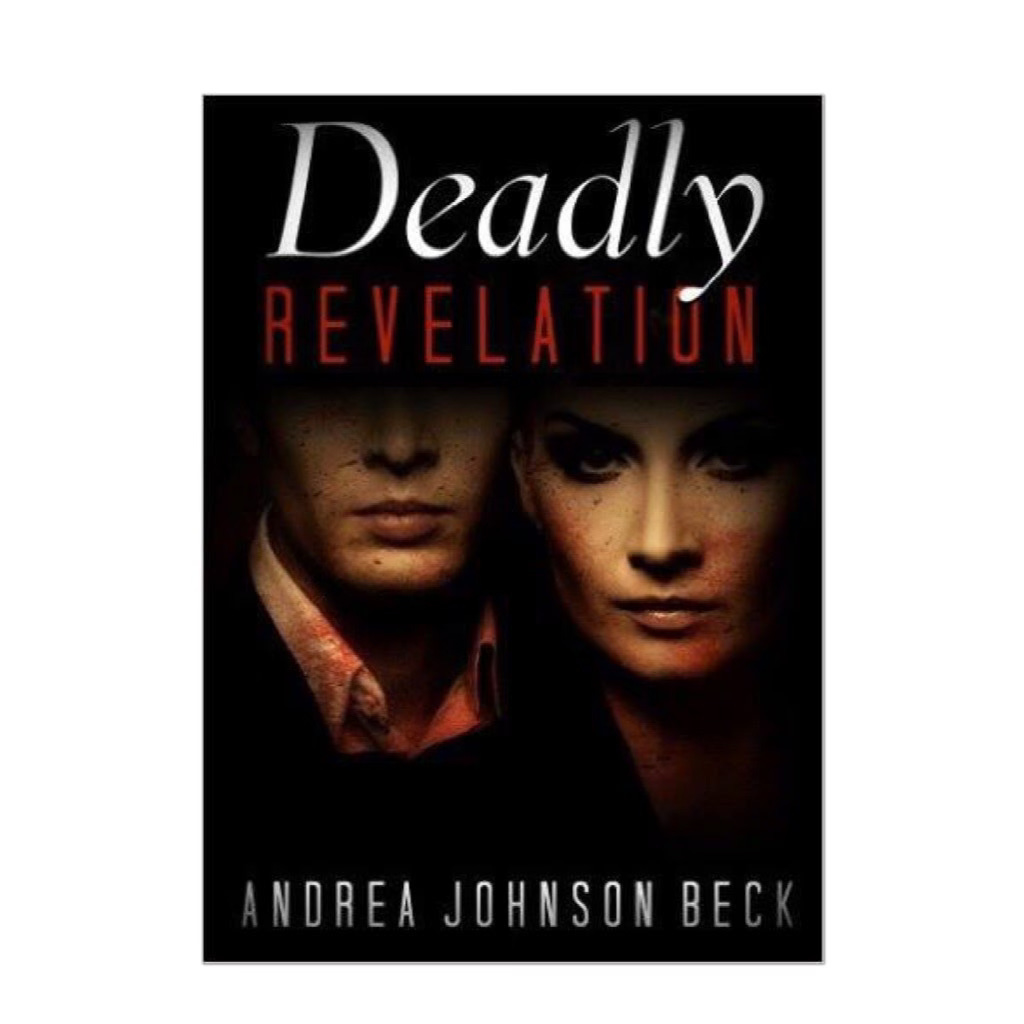
The second book, Deadly Revelation, was written and prepped to go to the editor. We were moving forward—until we weren’t.
Without warning, my contract was cut.
So were several others. The reason? “Underperformance,” they said. But there was something else, too, something quieter, coded in industry-speak. I’d been told my books needed more sexual content. Deadly Deception had some intimate scenes, but nothing in great detail. That wasn’t the kind of story I wanted to tell, and I really didn’t find it necessary to add it just for the sake of adding it. And so, that was that.
When it was all over, I felt like I’d been dropped off on the side of the road, still clutching my manuscript, watching the dream drive away.
Readers were expecting the next book, and now I had to announce that I was no longer with Montlake Romance, that I’d be self-publishing Deadly Revelation instead. I tried to rally. I’m a defiant person by nature—emotional, fiery, reactive—but underneath the anger was heartbreak.
I was devastated.
I thought I’d done everything right.
And yet, it still wasn’t enough.
I felt like I failed.
I self-published Deadly Revelation, but by then, the momentum was gone. Readers had moved on, and the spark that once fueled me had gone dim. I released another book under a slightly different name—an attempt at rebranding and reinvention—but it just didn’t land. The Red Roots had some triggering themes, and though those who read it loved it, my heart wasn’t in it any longer. The words felt forced. The voices in my head, the ones that once spoke so loudly, demanding to be written, had gone silent.
The publishing world was changing faster than I could keep up, and I was tired. Homeschooling, family, life, it all took priority. Writing felt like a ghost from another lifetime.
So I stopped.
And I truly believed I would never write fiction again.
That realization broke something deep inside me. I grieved it like a death. The dream that had once defined me was gone, and I didn’t know who I was without it.
My dad was heartbroken for me. He was my biggest cheerleader—the one who always said, “Just write, Daughter.” When he got sick, writing was still one of our favorite topics. He didn’t care what I wrote, only that I kept going. “You’re a damn fine writer,” he’d tell me. “Don’t let them take that from you.”
I promised him I would keep writing.
But you see, after he died, my mind went quiet. The grief hollowed me out. The only words I could write were about him, about cancer, loss, death, and the unbearable ache of missing him. Everything creative felt consumed by mourning.
Until one day, something shifted.
It wasn’t dramatic—just a whisper. A spark.
Little voices began to chatter again. Characters with messy hearts and dark humor. A story started forming in the back of my mind, something I’d never written before.
A romantic comedy with dark humor.
A sprinkle of paranormal.
A whole lot of me.
It had grief and wit and ghosts and plants and small-town absurdity—my kind of story. My life’s fingerprints were all over it: the Midwest, the family dynamics, the Scandinavian sass, the laughter through pain.
It was cathartic.
For the first time in years, the words poured out easily. I knew these people. I loved them. The story was alive.
I wrote 46,000 words and then, just like that, it came to a screeching halt. Again.
Hello, so happy to connect with you 🤍 I just subscribed to your content, and I hope you feel like subscribing to mine too 💌 xx
Love you 😍